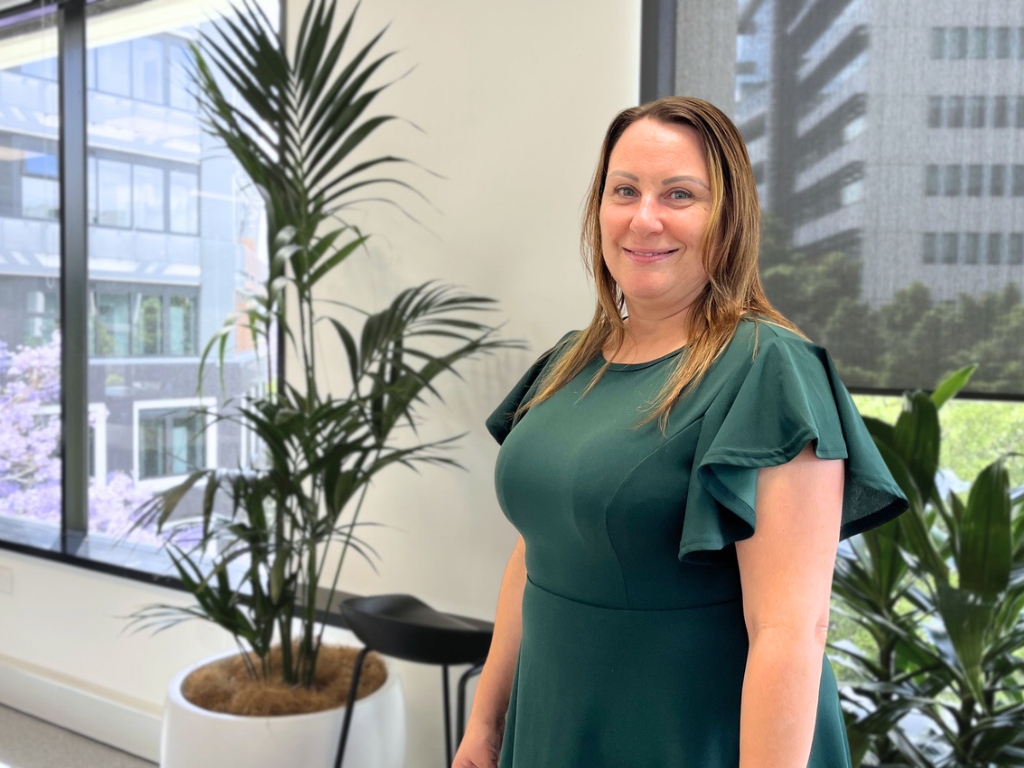
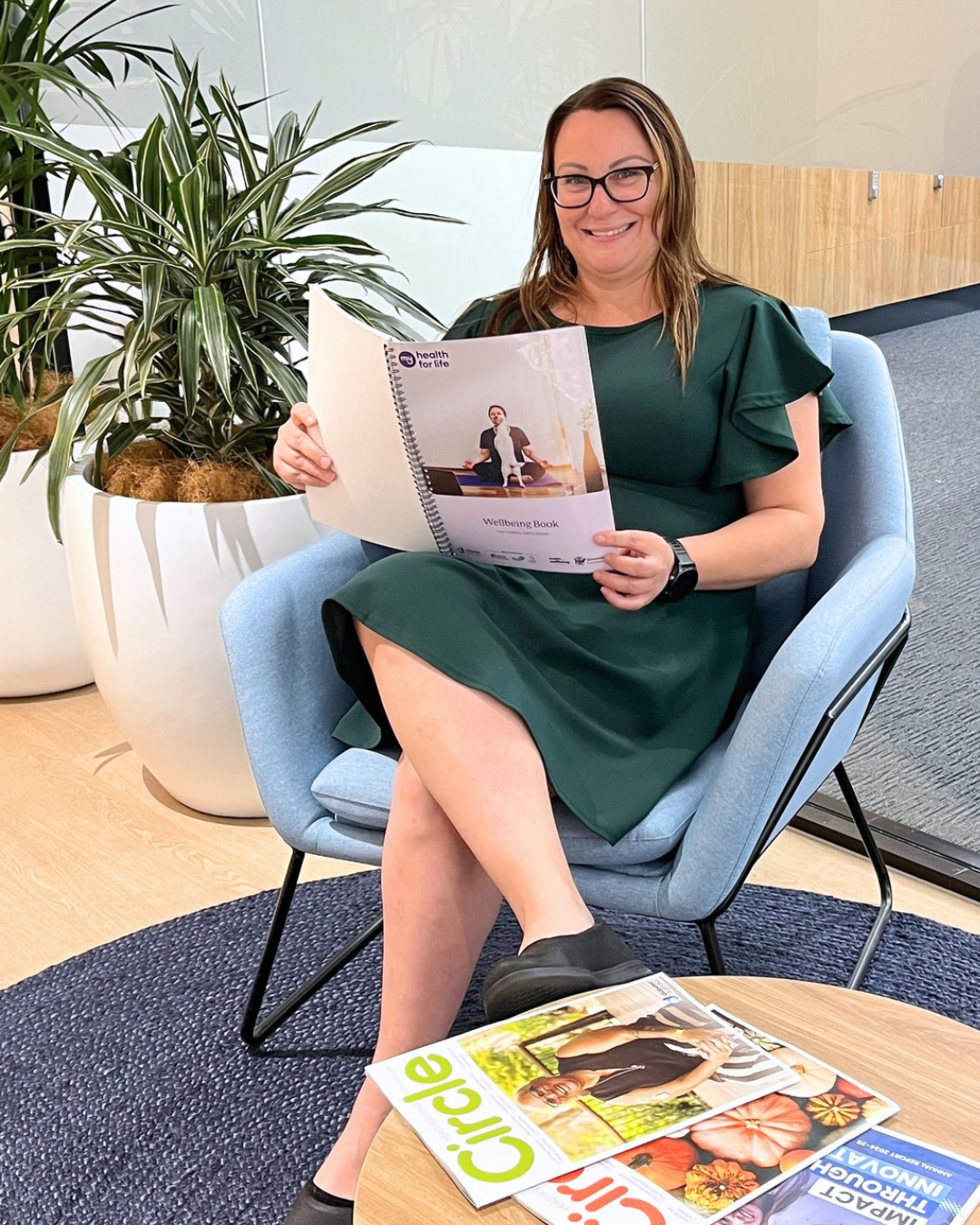
As the year winds down, it’s easy to let your own health slide to the bottom of the to-do list. We sat down with Kate Freeman, one of our My health for life Health Coaches, to talk about the checks people skip, the signs worth noticing, and the small habits that make the biggest difference.
Meet the Health Coach
Q: Can you tell us about your role with My health for life, and the kind of people you work with day to day?
As a Health Coach, my role is to support Queenslanders who are at increased risk of developing chronic conditions such as type 2 diabetes, heart disease, and stroke. I work with people from many different backgrounds, often people who are busy caring for others, managing work and family commitments, or who know they want to improve their health but feel unsure where to start.
Our health coaching is practical and person-centred. We focus on small, achievable changes around healthy eating, movement, sleep, stress, alcohol, and smoking, and we build a plan that feels realistic for that person’s life.
Q:What’s one piece of advice you give that often has a big impact?
Being consistent with one small change has a far greater impact than making big changes once or twice. People can feel they need to overhaul everything at once, but lasting health change usually starts with one manageable step and builds your confidence from there.
The most overlooked health checks
Q: Which health checks do people tend to put off the longest?
In my experience, many people put off routine health checks, from blood pressure, cholesterol and diabetes risk assessments to bowel, cervical, lung, and breast cancer screening. Dental, eye, and skin checks are often delayed too. It’s also common for people to wait before talking to their GP about concerns such as mental health, sleep, weight changes, or ongoing pain. Often these issues start gradually and don’t seem serious at first, which makes it easy to brush them aside. The reassuring news is that many health concerns can be managed much more effectively when they’re picked up early.
Q: Why do these checks get pushed down the priority list? Is it cost, access, discomfort, or something else?
It’s usually a mix. Some people are worried about the cost or whether they can get an appointment. Others feel uncomfortable, embarrassed, or afraid of what they might find out. A common reason we hear is that life gets busy and their health becomes something to deal with later, especially for people caring for children, partners, or ageing parents, where their own needs quietly drop to the bottom of the list.
Q: Are there free or bulk-billed health checks in Queensland that people don’t realise they’re entitled to?
Yes. Many people don’t realise there are national screening programs and Medicare-funded health checks available to eligible Australians. Depending on your age, sex and risk factors, this may include bowel screening, cervical screening, breast screening, heart health checks, diabetes risk checks, blood pressure checks, eye tests and other preventive health checks. While some screenings and tests may be fully covered, GP appointments can still involve out-of-pocket costs unless your clinic bulk bills. If you’re looking for a bulk-billing GP, Healthdirect’s Find a GP service can help you search for practices in your area. It’s also worth checking whether you’re due for any recommended screening programs, as eligibility and funding arrangements can vary.
- How to access health checks:
- Bowel screening
- Cervical screening
- Breast screening
- Lung screening
- Diabetes risk check
- Blood pressure check
- Eye test
Early signs worth paying attention to
Q: What are some early warning signs people tend to explain away rather than act on?
There’s a simple rule of thumb that can help: if you notice a change in your health that persists, worsens or doesn’t feel normal for you, it’s worth having it checked by a health professional.
Symptoms such as:
- ongoing tiredness
- increased thirst
- frequent urination
- unexplained weight changes
- breathlessness
- chest discomfort
- headaches
- blurred vision
- changes in bowel habits
- new lumps
- changes in moles
- low mood
- irritability
- poor sleep
- or ongoing stress
can sometimes be easy to dismiss, but should be discussed with a healthcare provider if they continue. You can also use the Health Direct Symptom Checker for guidance on when to seek medical care.

“You don’t need to decide whether it’s serious enough. That’s what your GP is there for.”
Q: Is there a common story you hear about symptoms people noticed but delayed addressing?
Often it’s “I thought I was just getting older” or “I thought I was just tired.” They may notice they’re more breathless walking upstairs, more thirsty than usual, not sleeping well, or feeling generally flat, but they keep going until something interrupts their routine. Sometimes it’s a loved one prompting them, sometimes a workplace check, and sometimes it’s seeing a friend or family member go through a health scare that makes them finally book the appointment.
Q: What would you say to someone who’s noticed something but isn’t sure it’s “serious enough” to mention to their GP?
You don’t need to decide that yourself, that’s what your GP is there for. If something is new, persistent, worsening, or worrying you, it’s worth raising. A short appointment can either reassure you or help pick up an issue early, and both outcomes are valuable.
Understanding diabetes risk
Q: Why is it important to understand your risk of type 2 diabetes, even if you feel healthy?
Many people are surprised to learn they may be at increased risk of type 2 diabetes, particularly because the condition can develop gradually and often without obvious symptoms. Knowing your risk factors can help you take action early, when small lifestyle changes can have the greatest impact.
Do you know your Diabetes risk?
Common risk factors for type 2 diabetes include:
- Family history
- Increasing age
- Being above a healthy weight range
- Carrying weight around the waist
- High blood pressure
- High cholesterol
- A history of gestational diabetes
- Polycystic ovary syndrome
- Smoking
- Low physical activity
- Poor sleep
- High stress
- Diets high in processed foods
Aboriginal and Torres Strait Islander peoples and some culturally and linguistically diverse communities can also have higher risk.
The encouraging part is that many of these risk factors can be reduced with support and gradual change.
Q: Are there lifestyle or environmental factors particular to living in Queensland that play into diabetes risk?
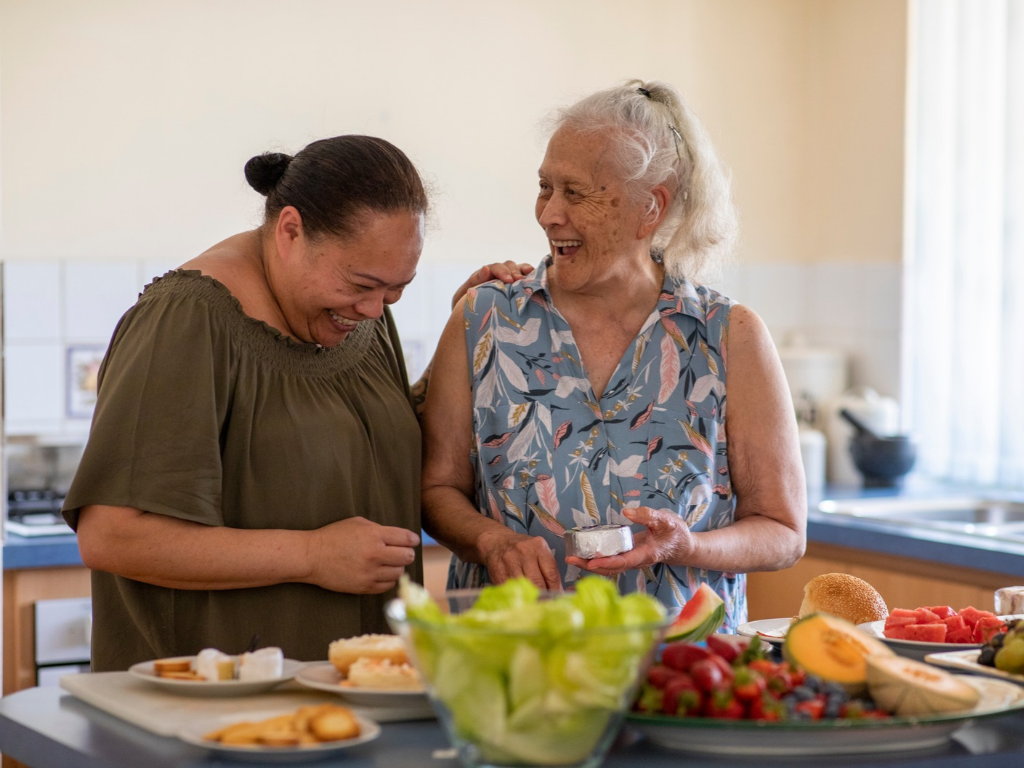
While the risk factors for type 2 diabetes are generally the same across Australia, where and how we live can influence our ability to maintain healthy habits. Diabetes Australia notes that what we eat and drink, how active we are, our sleep and overall wellbeing all play a role in diabetes risk.
Here in Queensland, busy schedules, family commitments and even the summer heat can sometimes make healthy routines harder to stick to. During the hotter months, it can help to find ways to stay active that work for you, whether that’s walking earlier in the day, exercising indoors or heading to the pool. I always encourage people to focus on balance rather than perfection. Small changes to movement, eating habits and sleep can add up and make a real difference over time.
Why preventive care matters
Why does preventive care matter so much, rather than just addressing problems once symptoms appear?
Many chronic conditions develop quietly over time. High blood pressure, high cholesterol, and prediabetes may not cause obvious symptoms, but they can increase risk long before someone feels unwell. When we identify risks earlier, people have more options and more time to make changes. Prevention is also often less stressful, less costly, and less disruptive than waiting until a health problem becomes urgent.
Here in Queensland, that support shows up through general practice, public health campaigns, screening programs, community services, and programs like My health for life, which is free for eligible Queenslanders and gives people access to health coaching before chronic conditions develop. That’s a really important part of the system: helping people act on risk early, not just treating illness later.
- Preventive care you can do today:
- Regular GP visits
- Know your blood pressure
- Know your cholesterol levels
- Stay up to date with screening
- Move regularly
- Limit alcohol
- Get quality sleep
- Manage stress
Small habits, long-term impact
Q: Can you give us one or two small, realistic habits that make a meaningful difference over time?
The two I recommend most often: adding a short daily walk and adding one extra serve of vegetables into the day. A ten-minute walk after a meal can support blood glucose, mood, and energy levels, and it feels achievable for most people. Adding vegetables at lunch or dinner improves nutrition without needing a full diet overhaul. Small changes like these build confidence, and confidence is what helps people keep going.
- Kate's top two tips:
- Take a 10-minute walk after a meal
- Add one extra serve of vegetables each day
Q: If someone could only change one thing before the end of the year, what would you suggest?
Book a preventive health check with your GP and ask, “What am I due for?” That one appointment can open the door to blood pressure checks, diabetes risk discussion, cholesterol testing, cancer screening reminders, and support for lifestyle change. It gives you a clearer picture of exactly where you’re starting from.
Q: Do you have a final thought for our readers?
You don’t need to wait for a health scare to prioritise your health.
Every positive step counts, whether it’s completing our free online Health Check, calling your GP, going for a walk, enjoying a piece of fruit, or having an honest conversation about your wellbeing. Health doesn’t have to be perfect to improve. Meaningful change starts with small, achievable actions, and the best place to begin is exactly where you are, using the support available to you.
Would you like to create healthier habits with a free Health Coach?
Do the online Health Check today to see if health coaching is right for you.
My health for life is proudly funded by the Queensland Government through Health and Wellbeing Queensland, and delivered by Diabetes Australia.
References