Most people have noticed it at some point. A few days of poor eating and not much movement, and everything feels a little harder. Your thinking gets cloudier, your patience thins, and the evenings feel longer. It’s not in your imagination. What you eat and drink how much you move directly and measurably affect your mental health.
Gut health and the brain
The relationship between gut health and the brain is better understood now than it’s ever been. The food we eat influences everything from brain health and mood to how we handle stress. That doesn’t mean a perfect diet, it just means paying some attention to the basics. Learn more here.
More whole foods and healthy eating where possible, less of the ultra-processed stuff, and enough water. National Nutrition Week runs from 13 – 19 October, and it’s a good prompt to take an honest look at what’s fuelling you most days, without judgment.
Simple changes can make a difference, such as choosing water instead of soft drinks, adding frozen vegetables to a meal, including more traditional home-cooked dishes, incorporating bush foods for Aboriginal and Torres Strait Islander peoples where available (Dietitians Australia 2025), or keeping healthy snacks on hand during long days at work or on the road.
Prioritise movement
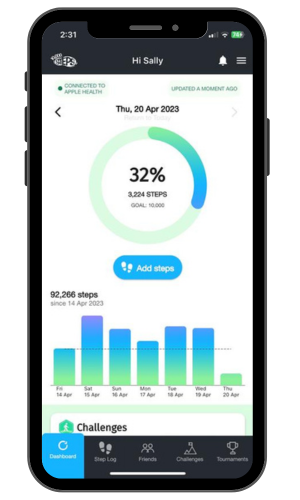
Then there’s movement. With October being Walktober, this is a great opportunity to join in some fun events and make walking a priority again. If you do it with someone else, you won’t notice the metres flying by. It doesn’t need to be structured. It just needs to be done. Track your steps with the 10,000 Steps App.
Walking is so meaningful to our health, and combined with healthy eating, it plays a real role in stroke prevention. With World Stroke Day on 29 October, it’s a timely reminder that the habits supporting how you feel today are the same ones looking after you further down the track. Small things, done consistently, are almost always the ones that stick. Find exercise programs and tips on getting active here.
For people in rural and remote communities, movement might come from walking around the property, fishing, gardening, or playing with the kids. For busy workers, it could be taking a short walk during a break or parking a little further away. The best form of movement is often the one that fits naturally into your day.
For people in rural and remote communities, movement might come from walking around the property, fishing, gardening, or playing with the kids. For busy workers, it could be taking a short walk during a break or parking a little further away. The best form of movement is often the one that fits naturally into your day.
Healthy habits don’t have to be all or nothing. Choosing to take the stairs, fitting in a short walk with a friend or even gardening are all positive steps. Looking after our health happens through everyday choices that add up over time.
Would you like to create healthier habits with a free Health Coach?
Do the online Health Check today to see if health coaching is right for you.
My health for life is proudly funded by the Queensland Government through Health and Wellbeing Queensland, and delivered by Diabetes Australia.
References
Dietitians Australia 2025, Healthy eating for strong bodies and minds, Dietitians Australia, viewed 31 August 2026, <https://member.dietitiansaustralia.org.au/Common/Uploaded%20files/DAA/Resource_Library/2025/Healthy_eating_for_strong_bodies_and_minds.pdf>.